

Painting and sculpture have had a very impressive and progressive trajectory throughout the different ages of art history, thus showing the cultural, social, and technological changes and advancements of the era. Prehistoric cave paintings and small figurines not only depicted ordinary life but also reflected the people’s spiritual beliefs. Moreover, the societies of the Eastern Mediterranean, mainly Egypt and Greece, brought the practice of representation, proportionate, and narrative storytelling as the main characteristics of both art forms, in their gradual developments. Human anatomy, perspective, and naturalism were the main concerns of artists in the Renaissance period, while the Baroque and Romantic eras stressed the factors of emotion, movement, and drama. The arrival of Modernism implied the acceptance of abstraction, experimentation, and the use of new materials, thus the unmaking of the traditional limitations. Despite the fact that painting and sculpture are not different today, their styles, techniques, and even digital technologies are still mixed and matched, thus the evolution process is going on which perfectly mirrors human creativity and expression.
What were the earliest forms of painting and sculpture in history?
Prehistoric times are where the first traces of painting and sculpture are found. Cave paintings discovered in places such as Lascaux and Altamira have shown colors and motifs of the human race and rituals, as well as animals, using pigments from nature. In addition, little sculptures made from materials like stone, bone, or clay portrayed people, animals, or fertility symbols, e.g., the Venus figurines. These primitive artworks were not only for aesthetic purposes but also played spiritual, ritualistic, or narrative roles. They are the beginning of human fashioning, the opening of man’s need to express, to report his living, and to believe, hence the foundation for the further development of art in history.
Also visit our Buy Ramesh Gorjala Paintings online
How did ancient civilizations influence the evolution of painting and sculpture?
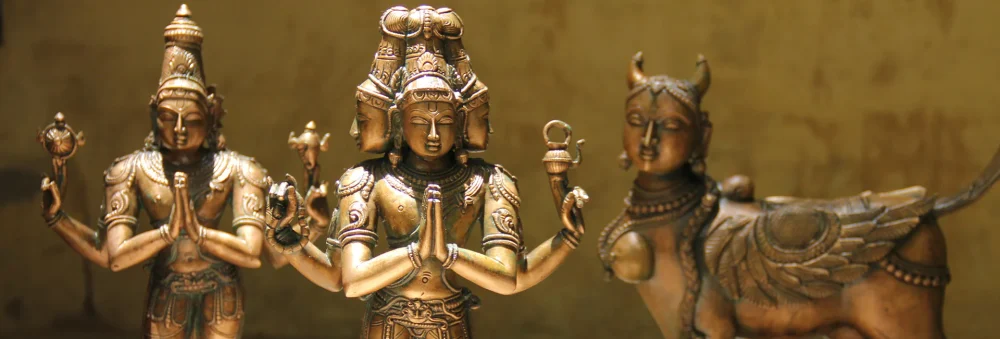
Ancient civilizations had a tremendous influence on the evolution of painting and sculpture. Egypt’s artwork concentrated primarily on religion and human and god representations with specific styles, and tombs. The Greeks and Romans aimed at reality, proportion, and anatomy, and were thus able to create sculptures with lifelike beings and painted walls telling gods, daily life, and the ideal of citizenship stories. The masters of Mesopotamia and the Indus Valley left behind finely detailed reliefs, sculptures, and wall paintings that reflected the culture, authority, and faiths of that day. The ancient world gave birth to techniques, themes, and materials that made up the artistic traditions, and the world got aesthetic, narrative, and skill standards that would be felt even in the Renaissance and the modern time, creating a legacy in global art history that is hard to erase.

How did Painting and Sculpture Evolve in art history
What role did the Renaissance play in transforming art techniques?
The Renaissance was a major factor in the changing of art techniques, i.e., it was a transition from medieval stylization to realism and human-centered expression. Moreover, artists went through more trials with terms like perspective, proportion, and anatomy than ever before. They were able to present motion and feeling with the help of their paintings and sculptures, which were done in a remarkably realistic manner. New techniques such as chiaroscuro (light/dark), and sfumato (coating with mellow, smoky effect) made it possible to give paintings not only depth and lighting but also the quality of being three-dimensional. The era not only opened up people’s minds to nature’s study, classical and even scientific observation but also played a significant role in shaping artists’ compositions and techniques. The great ones like Leonardo da Vinci, Michelangelo, and Raphael not only made art but also raised the level of art production and the idea of art as a way of thinking. To sum up, the Renaissance set the highest standards for inventiveness and technical mastery that lasted for several centuries and determined the course of Western art history.
How have modern and contemporary movements changed painting and sculpture over time?
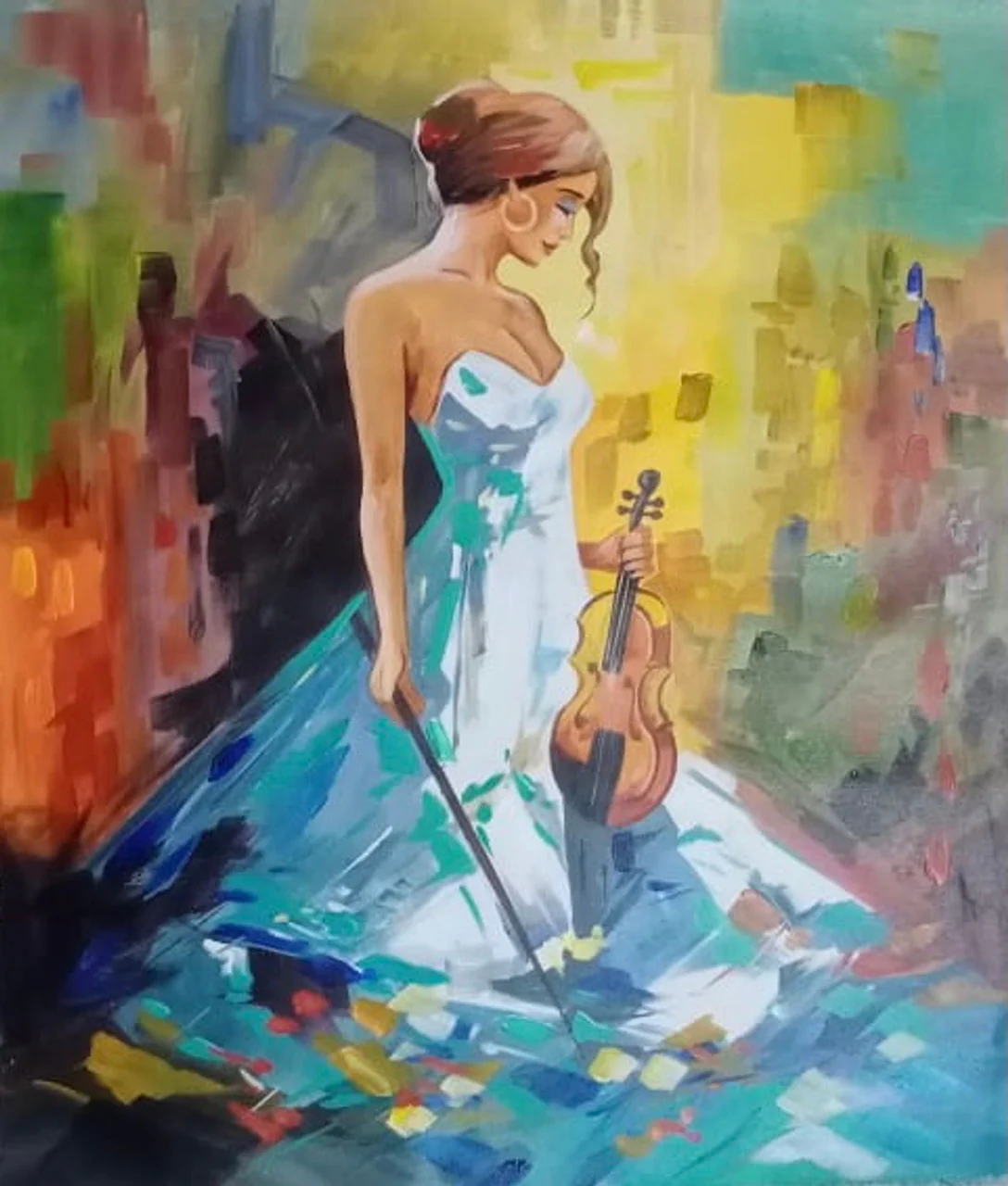
With the help of modern and contemporary movements, painting and sculpture have been literally transformed by upending the very basics of the artistic process. Modern art opened up the use of abstraction, expressionism, and surrealism which were the main focuses, and personal emotions, conceptual ideas, and experiments with color, form, and materials became the most important things. By the time the contemporary period came, letting the artists have no limits was the main thing, and they played with mixed media, installation, digital art, and even performance, often the factors that influenced their creation being the social, political, and cultural issues. The artists have left out the imitation of nature; instead, they are now living and working along the lines of innovation, audience interaction, and conceptual depth which are the three main aspects of art today. These movements have brought art to the masses, thus approving the diversity of voices and global points of view. A long journey has been taken by painting and sculpture that went through the time it took to come up with the lowest forms of representation to the art creations that are global-like, multi-dimensional, and always varying according to the human experiences.