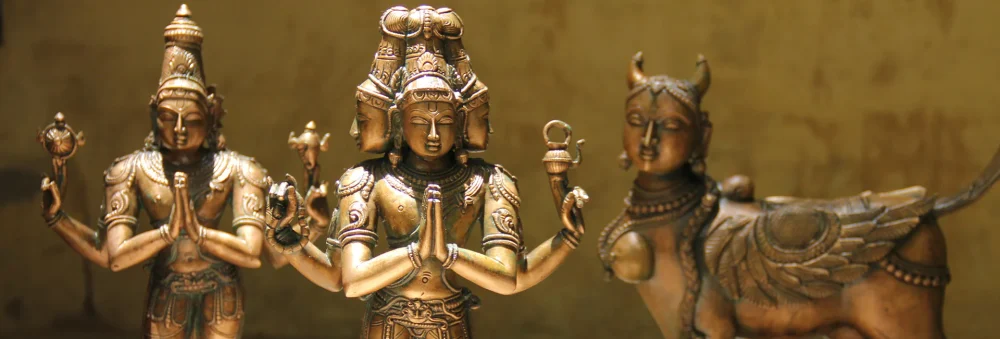



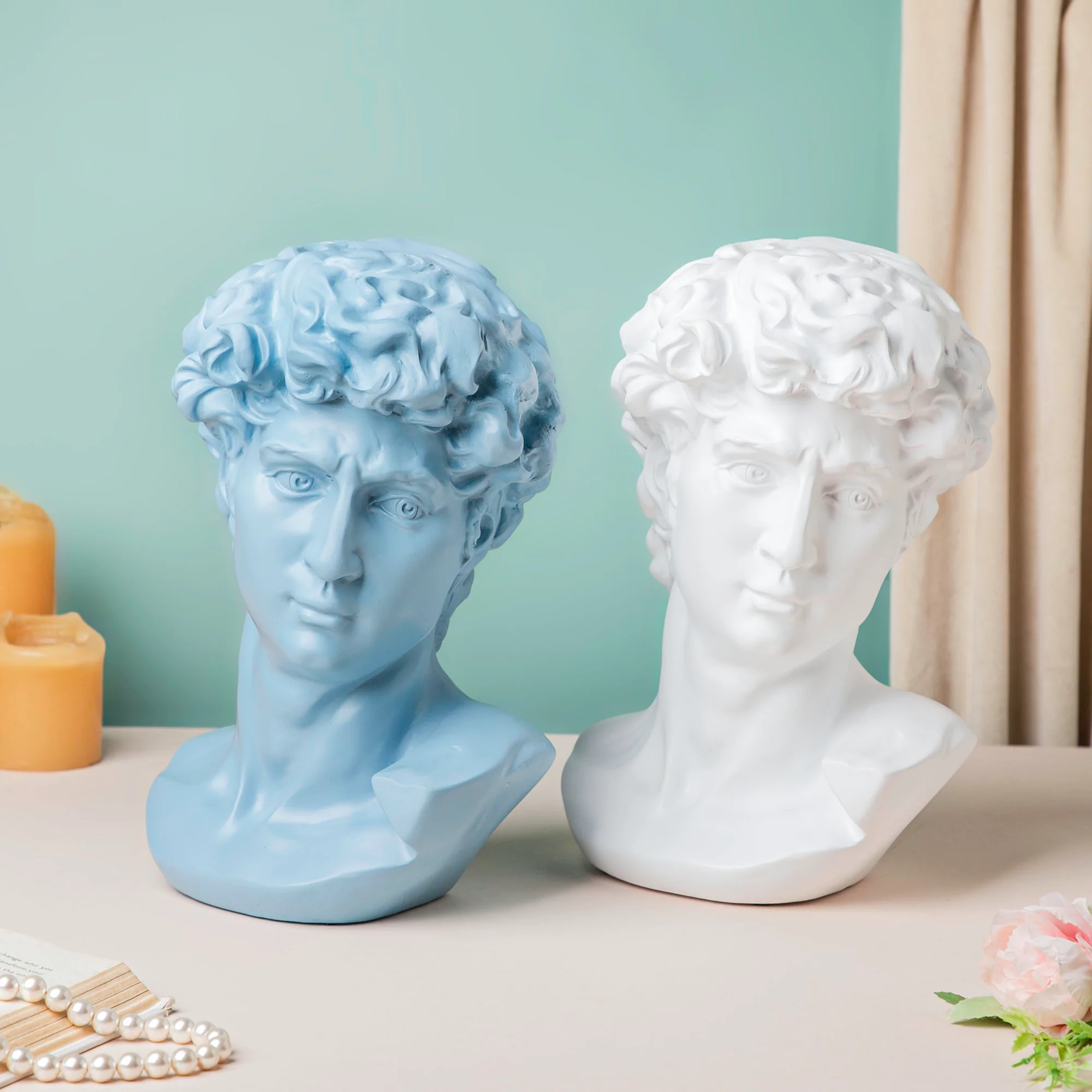
The length of time Typically take to Complete a Sculpture differs greatly depending on the medium, the size, and the amount of detail. Small clay sculptures can be done in a couple of hours or days, but the work on those made of stone or wood with a medium size can last from several weeks to a month. Massive sculptures made of either bronze or marble typically require several months to complete due to the various processes involved such as carving, casting, and finishing. During this time the artist’s skill, the quality of tools and the rate of work will affect the length of time taken. The artist’s choice of complicated design and fine detailing will make the work longer than the one with simple and abstract forms. Generally speaking, a sculpture can last anywhere from a few hours to several months depending on its complexity and the artist’s creative style.
What factors influence the time required to finish a sculpture?
There are many factors influence the time required to finish a sculpture. The most important factor is the choice of material, such as clay, which is a fast medium to work with whereas stone, wood, and metal are very slow and need precision, thus causing long delays. The size and complexity of the design also affect the timeline, since less detailed or smaller pieces take much less time. The artist’s skill, the tools, and techniques used can also be a factor in the speed of the process. Time-consuming processes such as drying, curing, or casting can become very long and tedious, particularly in the case of bronze and ceramic sculptures. The artist’s studio conditions, equipment availability and the artist’s working pace are also among the external factors that contribute to the total duration of a sculpture.
Also visit our Ramesh Gorjala sculptures online
Does the type of material—such as clay, wood, stone, or metal—affect the completion time?
Definitely, type of material—such as clay, wood, stone, or metal—affect the completion time has a major influence on how long the process would be. Clay is characteristically the quickest to deal with since it is very soft, malleable and easy to shape. On the contrary, wood takes more time through the processes of carving, smoothing and detailing. Stone requires even more time since it is harder and heavier and at the same time, careful chiseling to prevent cracks is a necessity. Metal sculptures – in particular those that involve welding or bronze casting – are often the longest as they encompass the complex processes of shaping, heating and finishing phases. Each material possesses its own characteristics and challenges that in turn affect the speed of the artist in completing the sculpture.
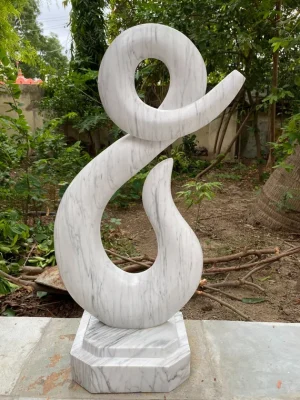
How Long does it Typically take to Complete a Sculpture
How does the size or complexity of a sculpture impact the overall duration?
The total time for sculpture production is predominantly determined by the size or complexity of a sculpture impact the overall duration. It is true that larger sculptures consume more resources, manpower, and precision, thus the whole process is inevitably lengthened. The same holds for sophisticated designs—very detailed, textured, and multiple parts all require more time. The artist has to work very carefully to achieve the accuracy and balance required. Fine features take and shape, refining, and finishing, all of which add to the timeline project. Moreover, complex sculptures could consist of several stages like, for instance, assembly, curing, or casting. On the other hand, smaller or simpler pieces may be done with rather less time since they need fewer steps and less detailed work.