

Art movements develop through cultural and historical events which determine both the subjects artists study and their chosen artistic methods. Art functions as a reflection of its time because it exists within social and political and economic frameworks. Artists base their work on major historical events which include wars and revolutions and periods when industrial growth occurs.
War times and political turmoil have caused artists to create works which express deep emotional intensity and dark themes. Artists use their work to create protests which document human misery and challenge those in power. Artistic creation during peaceful and prosperous times results in cheerful decorative styles which emphasize beauty and relaxation and commonplace activities. The artistic representation of important subjects undergoes transformation because cultural shifts change religious and philosophical and social value systems.
Art movements experienced changes because of technological progress and international artistic exchanges. The development of trade and communication networks enabled artists to acquire artistic knowledge and materials and cultural techniques from other societies. Artistic styles merged through this process which resulted in the development of completely new artistic methods. Artists adopted new technologies like photography which caused them to explore artistic abstraction and modernism.
Artists express their creative work through financial circumstances. Artistic innovation happens because artists receive increased support during periods of economic stability which brings them new creative opportunities. Creative work during economic difficulties produces intense artistic results which use limited resources to show artists’ authentic emotions.
Ultimately, cultural and historical events act as a mirror for art movements, guiding their direction and evolution. By understanding the context in which art is created, we gain deeper insight into its meaning and significance, as it captures the spirit and experiences of a particular time in human history.
Also visit our R
What are the most influential art movements in history?
The most influential art movements in history by a series of major movements which have influenced artistic expression throughout different historical periods. The following list contains the most important art movements in history.
Renaissance
This European movement combines realism with humanism and perspective as its main artistic approach. Artists used these three elements to create artwork which showed human body structure through scientific methods and natural existence.
Baroque
Baroque art uses light and shadow together with strong emotions to create an impressive visual experience which produces deep audience emotional reactions.
Romanticism
The movement promoted emotional expression through imaginative abilities while people connected with natural surroundings. The movement reacted against industrial growth because it valued personal artistic expression.
Impressionism
Impressionist artists dedicated themselves to creating artwork which showed the effects of light and motion on common street scenes. The artistic style developed through its usage of free brush techniques and its energetic color palette.
Post-Impressionism
The movement of Post-Impressionism developed from Impressionism through its use of artistic structure and symbolic elements while creating deeper emotional content for viewers to experience.
Cubism
Cubism introduced a new artistic style which transformed objects into basic geometric shapes while showing multiple viewpoints through a single artwork.
Surrealism
Surrealism studied dreams and subconscious processes through its depiction of illogical situations and creative ideas.
Abstract Expressionism
The movement used abstract visual elements to create unplanned emotional displays which showed how artists worked on their paintings.
Pop Art
Pop Art created its artistic identity through its use of popular culture together with advertising and ordinary items to rethink the conventional definition of fine art.
Modernism
Modernism accepted new artistic methods through its commitment to innovation while it abandoned conventional artistic practices.
The artistic movements have brought major changes to artistic creation and public artistic appreciation because each movement has introduced distinct artistic elements and methods which lead to more artistic understanding.
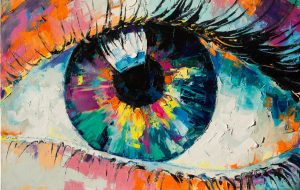
What are the famous art movements in history
How did different art movements shape modern art?
The different art movement shape modern art through different artistic movements which introduced fresh concepts and methods and new viewpoints that contested established conventions. Artists abandoned classical art forms to create new paths which developed from Renaissance artistic principles that introduced realistic depiction and perspective techniques. The creative process started to develop because people used experimental techniques which let them break traditional creative boundaries.
Romanticism developed into a movement which required artists to express their personal feelings through their artwork instead of presenting actual facts about the world. Artists adopted subjectivity as their main artistic principle during modern art. Impressionism developed a fresh visual perspective through its depiction of light and movement and short-lived experiences, which led artists to study human perception instead of artistic accuracy.
Post-Impressionism artists developed their artistic work through the use of symbolic elements and structural design elements which increased the depth of their artistic expressions. Cubism introduced radical artistic changes which transformed object representation by using geometric shapes to display multiple viewpoints simultaneously. Modern artist methods received major definition through this artistic shift which broke established visual representation methods.
The movement of Surrealism opened up new artistic possibilities through its research of hidden human mind functions and dream experiences and creative imagination which allowed artists to produce works that went beyond existing real-world and logical limitations. Abstract Expressionism created new artistic possibilities by using color and movement to create artworks that did not include any recognizable shapes. The artistic developments made during this period advanced toward unrestricted artistic expression.
The two movements together established the foundation of modern art through their combination of artistic freedom with innovative exploration. The artists used these new opportunities to investigate different artistic approaches which led to the creation of an art world that showcases diverse personal expression and current intellectual trends.
How did cultural and historical events influence art movements?
Art movements throughout history developed based on cultural and historical events influence art movements events. Artistic expression developed through these factors according to three main pathways which explain their impact on artistic expression.
Impact of Wars and Conflicts
Artists created works about suffering and loss and political criticism because major wars and conflicts affected their lives. Artists used art as a tool to show what happened during the events.
Political and Social Changes
Revolutions and shifts in political power influenced artists to challenge authority, question social norms, and reflect changing ideologies in their work.
Religious and Cultural Beliefs
Religious traditions and cultural values have always determined artistic expression because they define which subjects and symbols and styles artists will choose.
Economic Conditions
Artists could experiment with their work during prosperous times because there were more patrons available, but economic hardships led to the creation of intense and deep emotional music.
Technological Advancements
Artists adopted modern art movements because innovations like photography and new painting techniques provided them with fresh artistic possibilities through new artistic forms and new artistic styles.
Globalization and Cultural Exchange
Different cultures started to interact more with each other, which brought about new artistic ideas and new materials and new techniques that produced mixed and multiple artistic styles.
Urbanization and Industrialization
The growth of cities and industries changed everyday life, inspiring artists to depict modern experiences and social realities.
Philosophical and Intellectual Movements
Artists developed their creative methods through the influence of philosophical and literary ideas, which led them to explore new artistic approaches and create more advanced artistic concepts.
Changing Social Values
Artists started to explore different subject matters because society began to view gender and identity and social issues in new ways.
These factors collectively shaped art movements, making art a powerful reflection of the time, culture, and history in which it was created.