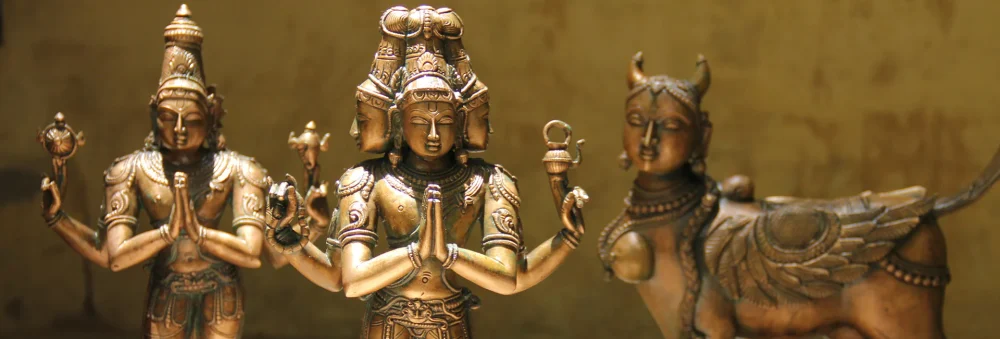


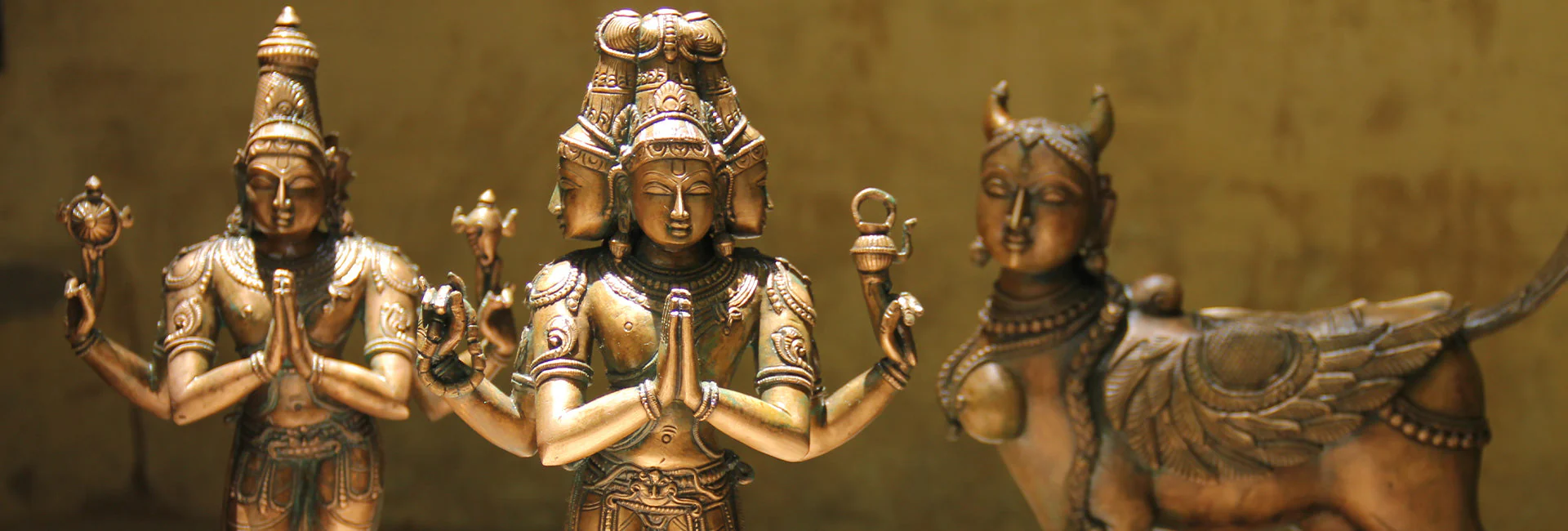
Artificial sculpture has been divided into several main types largely based on their form and technique. A free-standing or round sculpture is made to be viewed in its entirety, for instance, statues and figures. Relief sculpture stands on a background and covers bas-relief (low relief) and high relief. Carving is the art of shaping hard materials like stone or wood, while modeling is the practice of working with soft materials. Casting is the process of making replicas using molds and materials such as metal or plaster. Installation and kinetic sculptures are contemporary manifestations that require space, motion, and audience participation.
What is the difference between free-standing and relief sculpture?
The difference between free-standing and relief sculpture primary distinction that exists between free-standing and relief sculpture is their viewing and displaying qualities. The free-standing sculpture, or round sculpture as it is often called, is created to be witnessed at all angles and is not supported by any backing, thus being free, as in the case of statues and figurative pieces. As opposed to this, relief sculpture is connected to a flat surface with now and then, as in the case of the low relief and high relief, one type of relief being less pronounced than the other regarding the projection of forms. Each of these styles has been assigned different roles in the artistic and architectural practices throughout history.
Also visit our Ramesh Gorjala sculptures online
What are the main categories of sculpture based on form and technique?
Sculpture, the main categories of sculpture based on form and technique as an art form, is usually divided into various categories according to its form and technique. Among the different types of forms, the most important ones are free-standing or in-the-round sculptures that are accessible for viewing from all angles and relief sculptures that are connected with a background. On the other hand, if we consider technique, we can list four methods of sculpturing which are carving, modeling, casting, and assemblage. Carving generally means the process of taking away part of the material whether it is stone or wood whereas modeling is all about working with soft materials like clay. Casting entails working with molds while using either metal or plaster and assemblage is all about coming up with new pieces through the combination of diverse materials. The different categories signify the vastness of sculptural techniques as well as the variety of artistic expressions.
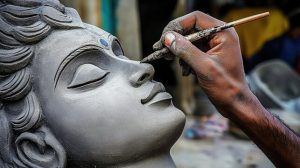
What are the main types of sculpture in art
How do modern sculpture types differ from traditional sculpture styles?
The types of modern sculptures vastly different from the traditional ones in their manner, materials, and purpose. The traditional sculpting mainly concerned itself with the likeness, the right measure, and using the everlasting materials such as stone, wood, and bronze. However, the modern sculpture has moved towards the idea of the experiment, abstraction, and the concept, thus leaving realism far behind. Artists indeed use the materials that are considered unconventional such as metal scraps, glass, plastic, and even digital elements. Modern sculptures can consist of installation, kinetic, and mixed-media that not only interact with the space but also with the observers. To put it simply, whereas traditional art was often rooted in religious or historical themes, the modern sculptures of today are frequent in personal nuances, social problems, and the like, hence, collapses the old boundaries of sculpture’s making and its perceiving.
What materials are commonly used in different types of sculpture?
The various types of sculpture make use of different materials according to the technique and style. The classic robust materials for both durability and detail are stone, marble, wood, and bronze. Modelling and making rough shapes can easily be done with clay, wax, and plaster, which are the most convenient materials. The metal used in casting techniques is often bronze, iron, or aluminum. Innovative and contemporary sculptures employ a range of non-traditional materials including steel, glass, plastic, recycled items, and mixed media. Some creatives use digital facets, light, and found materials to their advantage. Material selection is a major factor in determining the sculpture’s texture, form, and ultimately visual impression.