


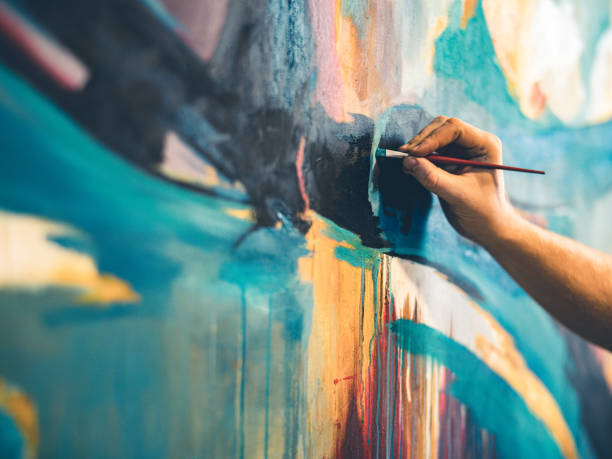
The elements and principles of art serve as the essential base for all visual artistic expression. The elements of art include line, shape, form, color, value, texture, and space. These elements serve as the fundamental components which artists utilize to produce their artistic creations. Artists can create straight and curved lines which they use to establish visual paths whereas they use color to create different emotional effects.
The principles of art control the arrangement of these elements. The elements of art include balance, contrast, emphasis, movement, pattern, rhythm, unity, and proportion. Artists use these principles to arrange elements in their work in order to achieve both artistic coherence and visual appeal. The elements and principles together establish the fundamental structure which artists need to create art that holds deep significance.
What are the 7 elements of art and why are they important?
The basic components of art consist of seven fundamental elements which include line, shape, form, color, value, texture, and space. The fundamental elements of art serve as essential components which artists use to develop their artistic creations. Line establishes the boundaries of shapes which together outline objects, while shape and form provide artists with tools to create three-dimensional visual elements. Color creates emotional content and symbolic representation, while value provides visual representation of light and dark areas. Texture establishes the appearance of surface materials, while space organizes elements throughout the visual design.
The elements hold significance because they establish essential elements which artists need to develop their creative visual work. Artists who master these elements gain the ability to present their concepts visually while achieving equilibrium and creating artworks that attract viewers with deep meaning.
Also visit our website Buy Ramesh Gorjala Paintings online
What are the principles of art and how do they differ from the elements of art?
The principles of art serve as organizational frameworks that artists employ to manage the artistic elements present in their compositions. The principles of design include eight elements which are balance, contrast, emphasis, movement, rhythm, pattern, unity, and proportion. The three elements of structure, harmony, and visual interest work together to create visual appeal in a composition.
Artwork consists of fundamental components which include line, shape, color, texture, form, value, and space as its elemental building blocks. The key difference is that elements are what artists use, while principles are how they use them. The two elements of design work together to create artistic compositions that achieve visual balance and meaningful design.
What are the elements and principles of art
How do the elements and principles of art work together in a composition?
Artists elements and principles of art work together in a composition achieve visually pleasing balanced designs through their use of art elements and principles which establish compositional harmony. The elements—line, shape, form, color, value, texture, and space—are the basic tools an artist uses to build an artwork. The principles—such as balance, contrast, emphasis, movement, rhythm, proportion, and unity—guide how these elements are arranged.
The element of color establishes contrast which serves as a fundamental principle while lines function as pathways that direct viewers throughout the artwork. The artists use principles to organize elements which results in harmony and visual focus while creating visual interest that helps the composition deliver its message.
Why should beginners understand the elements and principles of art before creating artwork?
Beginners understand the elements and principles of art because these basic art elements provide essential tools for their creative expression. The basic tools of art creation include line shape color form value texture and space which artists use to create their artworks. The principles—such as balance, contrast, emphasis, rhythm, movement, proportion, and unity—guide how these tools are organized effectively.
Beginners who study these fundamental concepts will learn how to create balanced compositions and present their ideas effectively while avoiding common mistakes. Artists develop their personal artistic style through continuous practice, which builds their confidence and proficiency in artistic abilities.