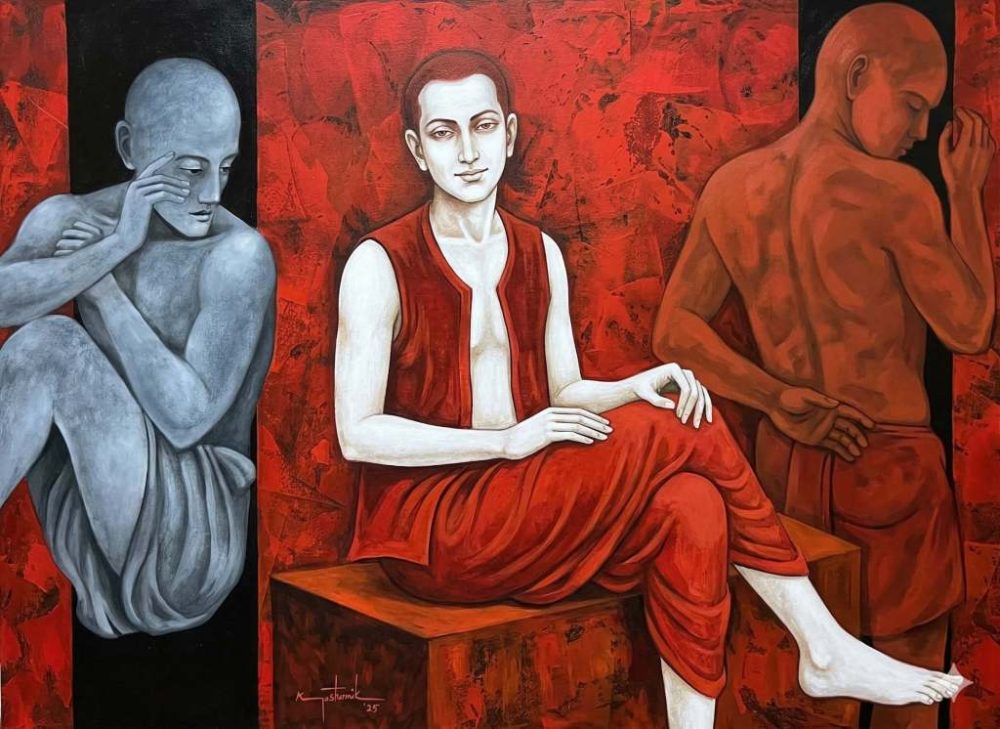


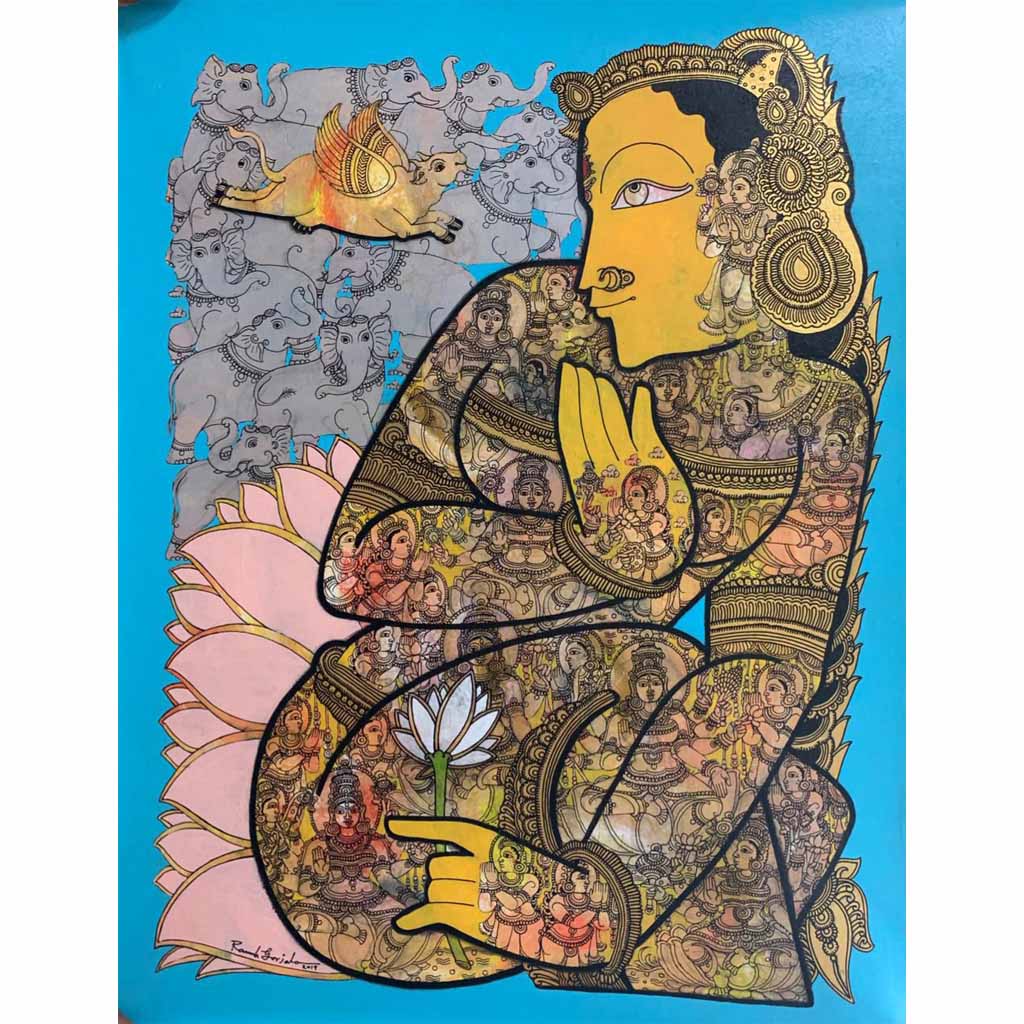
To Choose the right color for a painting Wanting to paint with certain colors requires mood, harmony, or contrast by association. Is the feeling you desire to evoke one of energy? Then choose warm colors: red, yellow, and orange. Or do you want to make calming feelings? Then choose cool hues of blue and green. The color wheel provides a good guide for balancing complementary and analogous shades. Go ahead to try your color mixes on a smaller palette before bigging them up on the big canvas. Also, consider the lighting because it can affect colors; check out your palette under natural light. Then, go with your gut feeling as the entire selection process is a technical idea but also an emotional thing that reflects your artistic personality and expression.
What factors should you consider when choosing colors for a painting?
A few essential tips will create harmony and impact when picking colors for a painting. First, mood and theme are very important: what feelings do you want to express-it can be warmth, calmness, drama and so on? Know your color theory and use the color wheel to balance colors either complementary or analogous to each other. Take care of the lighting-conditioned person doesn’t see colors similarly in natural and artificial light. Contrast and balance candidates; contrast directs attention to the focal point. Think about the subject matter and the emotional tone that will enhance your color story. Last but not least, follow your style and ambient intuition so they can lead you in your final color decisions.
Also visit our Buy Indian Artist Asit Patnaik Paintings Online
How does color theory help in selecting the right color palette for artwork?
The color theory is essential in selecting the color palettes in Artwork as a guide for creating harmony, balance, and emotion. Thus, you learn how colors interact with each other-this interaction is complementary contrast, and at the same time, analogous colors constitute a smooth transition. An artist uses the color wheel as a regular guide to choose colors that go down well in combination. When an artist knows warm and cool colors, he can bring mood and depth to his work. Color theory also creates visual balance and focus; no color must detract from the overall composition, implying that mastering it turns intuition into deliberate color choice.

How do you Choose the Right Colors for a Painting
What are the best color combinations for creating mood and emotion in paintings?
Depending on the ambiance one wishes to initiate, different schemes are adopted to generate an atmosphere in a painting. Warm colors such as red, orange, and yellow inspire energy, passion, and warmth. Whereas cold colors like blue, green, and violet instill calmness and serenity in the beholder. Complementary colors provide contrast and vibrant clash; think blues and oranges, reds and greens. Muted pastels say peace and calm; but a darker backdrop paired with muted shades will lean towards mystery or melancholy. With varying degrees of saturation and brightness, painting can go far in giving way to emotional depth, thereby gripping the audience all the way through with a coherent yet eloquent color scheme that expresses what the artist intends to communicate.
How can beginners learn to balance warm and cool colors in a composition?
A beginner can learn to mix warm and cool colors in a composition after living through a few preparatory experiences with the emotional effects of color-one of which is that red, yellow, and orange give off energy, whereas blue, green, and violet generate serenity. The color wheel will help identify hues that complement each other. Small studies can be made to observe the contrast interaction of the warm and cool tones under various lights. Warm colors in a drawing are used for emphasis, with cool colors bringing depth into balance or a backdrop. Also, carry on the contrast and saturation with its proportions. Practice and observation help with grasping intuitively color harmonies through a passage of time.