

Ramesh Gorjala Studio
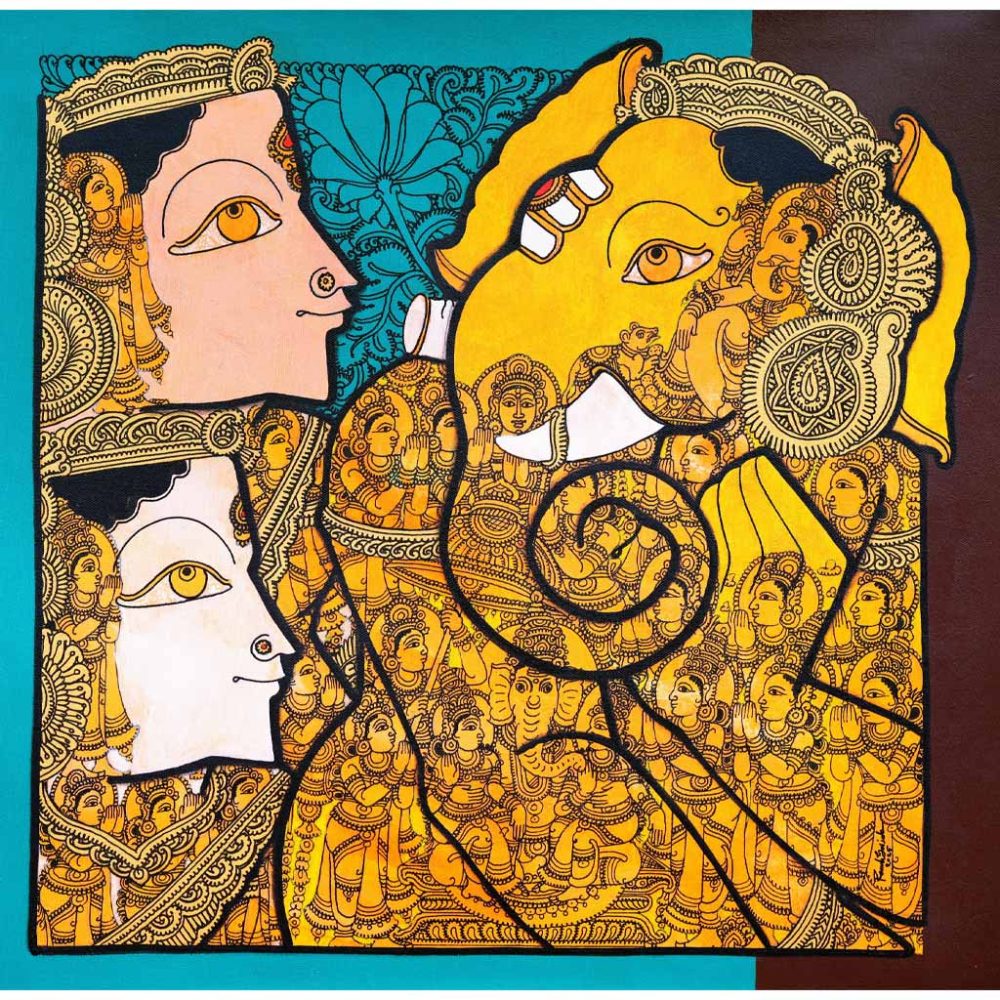
The studio of Ramesh Gorjala represents the creative space where traditional Indian storytelling and contemporary art techniques come together. Known for his distinctive Kalamkari-inspired style, Ramesh Gorjala creates intricate paintings that reflect themes from Indian mythology, spirituality, and cultural heritage. His studio is not just a workplace but a center of artistic expression where detailed compositions and imaginative narratives are carefully developed.
Inside the studio, the artistic process often begins with conceptual sketches that outline the main subject of the painting. These sketches usually focus on mythological figures such as Krishna, Vishnu, Ganesha, or Hanuman. Once the initial design is prepared, the artist gradually builds the composition by adding delicate line work and symbolic patterns. This stage requires patience and precision because the detailed motifs and miniature figures are an important part of the visual storytelling found in his artworks.
The studio environment is typically filled with art materials such as fine brushes, drawing tools, and carefully chosen colors that help bring the compositions to life. Each painting goes through multiple stages, including outlining, filling patterns, layering colors, and refining intricate details. This process can take several weeks or even months depending on the complexity and size of the artwork. The slow and careful approach reflects the traditional discipline associated with Kalamkari-inspired techniques.
Another important aspect of the studio is the creative atmosphere that encourages experimentation and artistic growth. While the paintings are rooted in traditional themes, the artist often explores new visual arrangements and compositions that allow the stories to appear fresh and engaging. This balance between tradition and innovation is one of the reasons his artworks stand out in contemporary Indian art.
Collectors and art enthusiasts often appreciate the connection between the studio environment and the final artwork. Every painting produced in the studio reflects the artist’s dedication to craftsmanship, storytelling, and cultural expression. As a result, the studio of Ramesh Gorjala becomes a place where mythology, creativity, and traditional artistry merge to create visually captivating works of art.
Where is the studio of Ramesh Gorjala located?
The studio of Ramesh Gorjala located is associated with regions in southern India where the traditional Kalamkari art form originated and continues to thrive. The artist was born in Srikalahasti, a town in Andhra Pradesh known for its historic Kalamkari painting tradition, and this cultural background strongly influences his artistic journey. Over time, he developed his professional practice and established a creative workspace where he produces his intricate mythological artworks.
Primary studio location: Ramesh Gorjala has been known to live and work from his studio in Tirupati, Andhra Pradesh, India. This city is an important cultural center in the region and provides an inspiring environment for artists who draw from spiritual and mythological themes.
Connection to Srikalahasti: The artist was born in Srikalahasti, a town famous for the Srikalahasti style of Kalamkari painting. Growing up in a family connected with traditional crafts allowed him to learn the fundamentals of this art form at an early age, which later shaped the style he practices in his studio.
Work presence in Hyderabad: Some information sources also mention professional connections and workspaces associated with Hyderabad, where he studied fine arts and built connections within the contemporary Indian art community. This city has played a role in his artistic career and exhibitions.
Influence of regional culture: The studio environment reflects the cultural atmosphere of southern India, especially the traditions of Kalamkari storytelling. The surroundings and heritage of the region influence the themes of gods, mythology, and symbolic imagery often seen in his paintings.
Creative process inside the studio: Within his studio, the artist develops detailed sketches, intricate patterns, and layered color compositions that eventually become finished mythological paintings featuring figures like Hanuman, Vishnu, Krishna, and other deities.
Overall, the studio of Ramesh Gorjala is closely connected to the artistic heritage of Andhra Pradesh. Working primarily from Tirupati while maintaining links to other cultural centers, the studio serves as the place where traditional Kalamkari inspiration and contemporary artistic expression merge to create his distinctive mythological artworks.
How can collectors contact the studio of Ramesh Gorjala to purchase paintings?
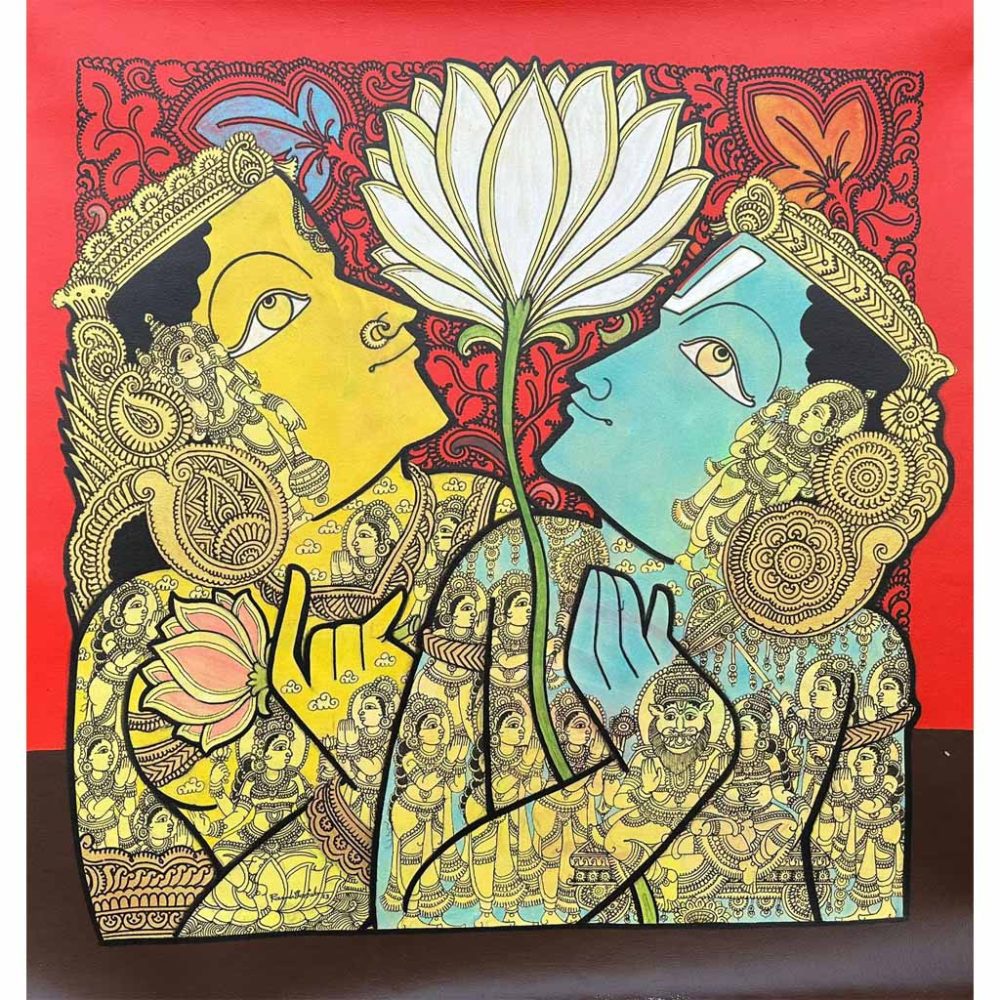
Collectors contact the studio of Ramesh Gorjala to purchase paintings often try to connect with the artist’s studio or representatives to inquire about available artworks, commissions, or pricing. Because his paintings are highly detailed and often created for collectors or exhibitions, many buyers prefer to contact the studio directly to understand availability and authenticity before making a purchase. There are several ways collectors can reach the studio and begin the process of acquiring an original painting.
One of the most common ways to contact the studio is through email communication. Many art collectors first send a detailed inquiry describing the type of painting they are interested in, such as a specific mythological theme, size preference, or commission request. Email communication allows the studio team to share images of available artworks, information about dimensions and medium, and details about the purchase process. In some cases, collectors may also request additional photographs or background information about the artwork before making a decision.
Collectors may also contact the studio through art exhibitions and curated art events where the artist’s works are displayed. These events provide an opportunity for buyers to meet representatives, view paintings in person, and discuss purchasing options. Viewing the artwork physically helps collectors appreciate the intricate detailing, patterns, and storytelling elements that define Gorjala’s style.
In addition, some collectors request commissioned paintings directly through studio communication. Commissioning allows buyers to choose specific subjects, such as Hanuman, Krishna, or Vishnu, while still preserving the artist’s signature Kalamkari-inspired style.
Overall, contacting the studio of Ramesh Gorjala typically involves email inquiries, phone discussions, exhibition visits, or commission requests. These methods allow collectors to obtain authentic paintings and ensure that the artwork they purchase reflects the originality and craftsmanship associated with the artist’s work.
Where can you buy authentic paintings by Ramesh Gorjala and what factors affect their price?
Collectors interested in buy authentic paintings by Ramesh Gorjala and what factors affect their price usually explore several trusted sources within the art market. His artworks are highly valued because they combine traditional Kalamkari-inspired techniques with contemporary storytelling. These paintings often portray Hindu mythological figures such as Krishna, Vishnu, Hanuman, and Ganesha, and they are known for their intricate detailing and layered narratives. Because of the popularity of his work, collectors can find his paintings through different channels, and several factors influence their price.
Online art platforms: Many collectors purchase authentic paintings through curated online art marketplaces that specialize in contemporary Indian art. These platforms usually display detailed information about the artwork, including size, medium, and theme, helping buyers evaluate the painting before purchasing.
Art galleries and exhibitions: Traditional art galleries and curated exhibitions are common places where collectors discover original works by established artists. These venues allow buyers to view the artwork closely and understand the intricate craftsmanship before making a purchase.
Private collectors and auctions: Sometimes original paintings become available through private collections or auction events. These opportunities can give collectors access to rare works that may not be widely available in the market.
Commissioning artwork: Some collectors request commissioned paintings directly from representatives of the artist. This allows them to choose specific mythological themes, canvas sizes, or compositions while maintaining the artist’s distinctive style.
Size of the artwork: Larger paintings generally command higher prices because they require more materials and time to complete. Smaller works may cost around ₹50,000 to ₹100,000, while larger pieces can reach several lakhs.
Level of detailing: Gorjala’s paintings are famous for intricate miniature figures and elaborate patterns. Paintings with complex compositions often have higher value.
Medium and materials: Works created with high-quality materials such as acrylic or mixed media on canvas often cost more.
Artist reputation and demand: As the artist’s recognition grows among collectors and exhibitions, the demand for his paintings increases, which can raise their market price.
Overall, collectors can buy authentic paintings by Ramesh Gorjala through online platforms, galleries, auctions, and commissioned requests, while factors such as size, detail, materials, and demand play a major role in determining the final price.